

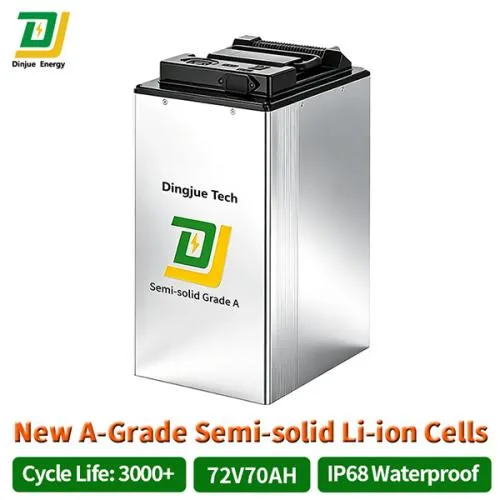
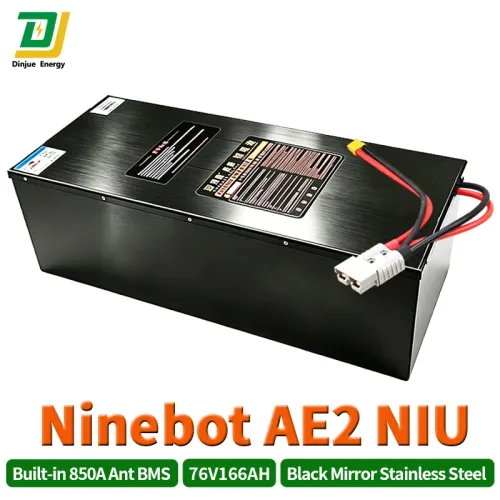
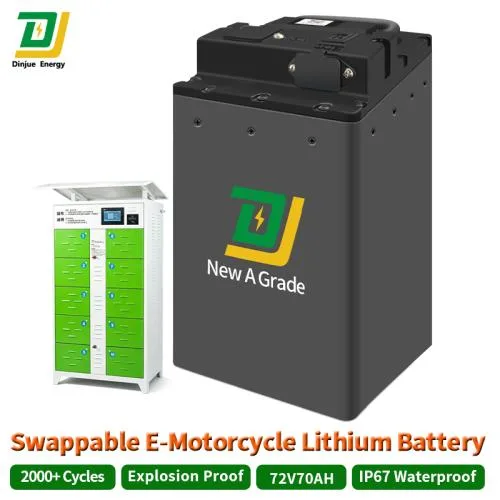
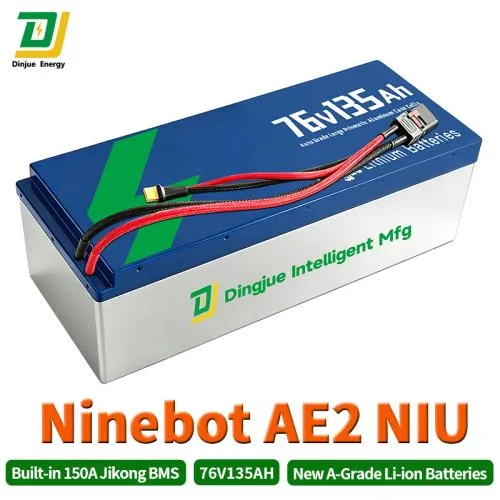
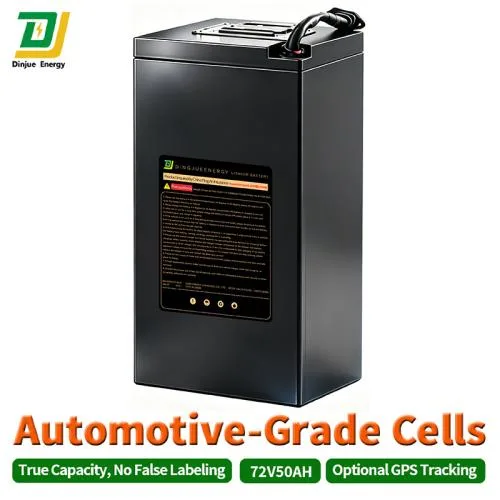
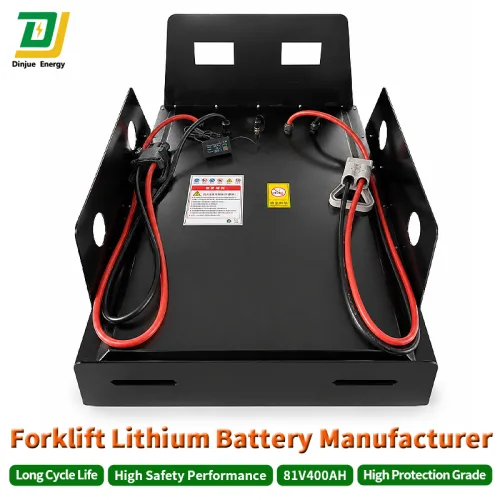
If you run a fleet of electric scooters, e-rickshaws, delivery two-wheelers or shared mobility vehicles, your battery choice directly decides your operating cost, uptime and long-term profitability. For decades, lead acid batteries have been the default pick for 2 & 3-wheeler fleets, thanks to low upfront pricing. But more fleet operators and distributors are switching to LiFePO4 battery packs, and the gap in total cost of ownership is hard to ignore.
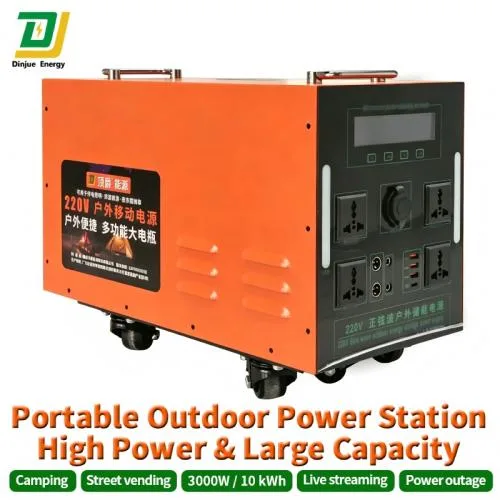
Whether you source e-scooter battery for shared mobility projects, custom OEM battery pack for local assemblers, or you also supply related energy storage products including BESS and RV battery, this guide breaks down why LiFePO4 outperforms lead acid for daily fleet use.
1. Longer Cycle Life = Fewer Replacements, Less Downtime
Lead acid batteries typically deliver only 300–500 full charge cycles under regular deep discharge. For high-usage 2 & 3-wheeler fleets that charge and discharge every single day, that means replacement every 8–12 months. Frequent battery swaps create service chaos, extra logistics cost and vehicle downtime that eats into your fleet revenue.
A quality LiFePO4 battery paired with smart BMS can reach 3000–6000 cycles. For the same fleet duty cycle, a LiFePO4 pack can last 5–8 years. Your fleet needs far fewer stock replacements, less maintenance labour and fewer service visits. This is one of the biggest reasons importers and fleet owners upgrade away from lead acid.
[Click here if 👉 2&3 Wheeler LiFePO4 Battery Packs]
2. Higher Energy Density & Better Runtime for Delivery Fleets
Weight is a critical factor for two-wheelers and three-wheelers. Lead acid is heavy and bulky; extra battery weight reduces payload capacity and shortens real-world driving range. LiFePO4 packs are roughly 50–60% lighter for the same capacity.
Lighter weight means your delivery riders can carry more goods, climb hills easier and achieve longer mileage per full charge. The built-in BMS continuously monitors cell voltage, temperature and current to avoid overcharging, over-discharging and short circuits — protection that standard lead acid setups lack. This safety feature is non-negotiable for high-traffic shared fleets.
While this design is optimized for 2 & 3-wheeler applications, our engineering team can adapt the same LiFePO4 platform for custom projects: e-scooter battery, off-grid RV battery, stationary BESS and other custom OEM battery pack requirements for your market.
3. Faster Charging & Wider Discharge Window
Fleet operations run on tight schedules. Delivery vehicles and shared scooters often need quick top-ups between shifts. Lead acid batteries charge slowly and degrade rapidly if you push fast charging. LiFePO4 safely supports higher charging rates, cutting charging time significantly.
LiFePO4 also tolerates deep discharge far better. Lead acid batteries suffer permanent damage if regularly drained below 50% capacity. Fleet operators often have to limit usage to preserve battery life. LiFePO4 can safely discharge down to 10–20% without hurting cycle life, letting you use almost all the rated capacity every day.
4. Lower Maintenance & Stable Performance in Hot Climates
Many 2 & 3-wheeler markets operate in tropical, high-temperature environments. Lead acid batteries lose capacity quickly in heat, require regular water top-ups and vent corrosive gas. For a large scattered fleet, routine maintenance is expensive and hard to standardize.
Sealed LiFePO4 packs are maintenance-free. No watering, no acid leakage, no corrosive fumes. The integrated BMS balances cells automatically across the whole pack, keeping performance consistent from day one to end of life. For importers serving Southeast Asian markets, this stability drastically reduces after-sales complaints and warranty claims.
5. TCO Comparison: Higher Upfront Price, Much Better Long-Term Value
It is true that LiFePO4 carries a higher initial purchase price than lead acid. But when you calculate total cost of ownership — replacement cost, labour, downtime, energy efficiency and warranty — LiFePO4 wins clearly for commercial fleets.
Lead acid looks cheap on the PO, but recurring replacement costs stack up fast. LiFePO4 reduces your total battery spending over the fleet lifecycle, while improving vehicle availability and rider satisfaction. This is why many forward-thinking distributors now bundle e-scooter battery and 3-wheeler LiFePO4 packs together with their BESS and RV battery product portfolio for diversified sales.
6. Safety & Compliance for Import & Fleet Rollout
Safety is always the top concern for bulk battery imports. Quality LiFePO4 chemistry has superior thermal stability compared to other lithium chemistries and far lower fire risk. When manufactured with a reliable BMS and full certification, LiFePO4 battery packs meet international shipping and market entry standards.
If you are sourcing OEM battery pack for rebranding and local fleet deployment, we can support the certification documentation you need for smooth customs clearance and local market registration.
Final Verdict
Lead acid still has a place for low-usage, low-budget projects. But for commercial 2 & 3-wheeler fleets, delivery mobility and shared e-scooter networks, LiFePO4 is the future. Longer life, faster charging, lighter weight, low maintenance and intelligent BMS protection combine to deliver a stronger bottom line for fleet owners and resellers.
Whether you need standard 2&3-wheeler LiFePO4 models, custom e-scooter battery, RV battery, stationary BESS, or tailored OEM battery pack development, we support your project from design to shipment.
Contact us for solution, samples and quotation.
 No previous articleNext: Battery Certifications: UL / IEC / UN38.3 Guide for Importers