

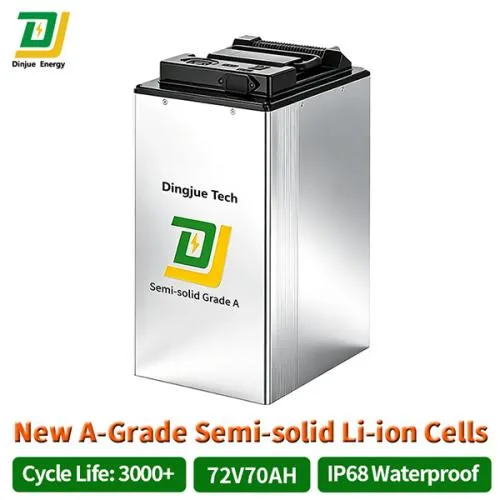
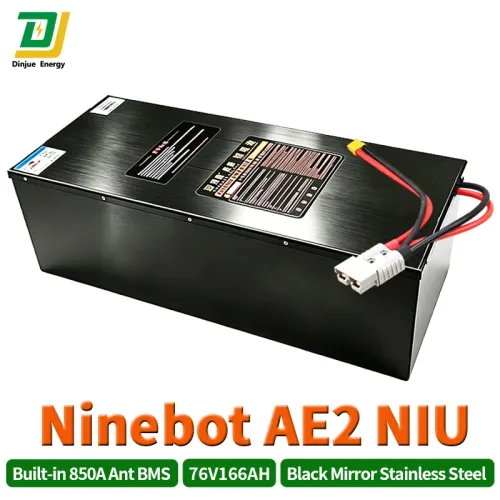
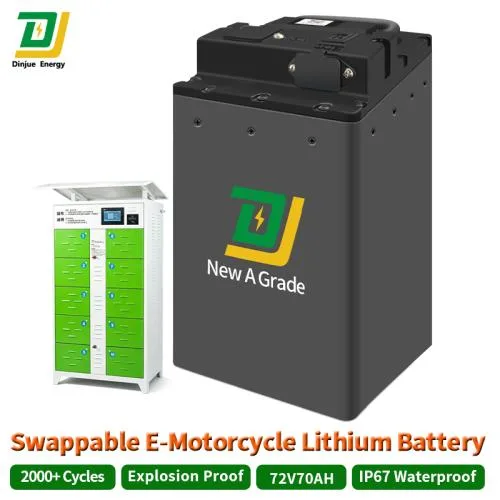
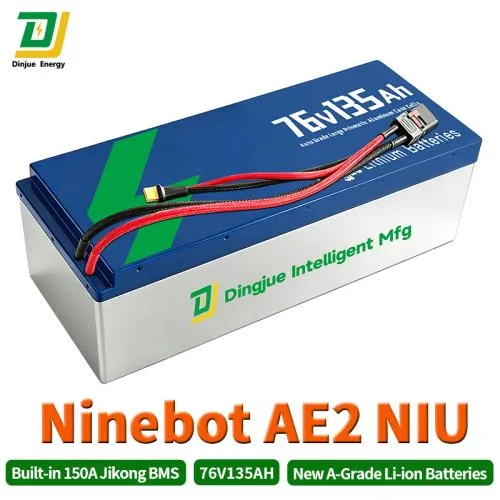
LiFePO4 batteries are rapidly replacing lead-acid AGM and gel batteries across RV, marine, e-tricycle, solar off-grid and backup power projects. Many buyers still only compare upfront price — and that is the biggest procurement mistake.
For bulk distributors, fleet operators and installers, the real metric is Total Cost of Ownership (TCO) over the asset lifecycle, not the sticker price per kWh.
Core performance comparison
Lead-acid (AGM/gel) only safely supports 30%–50% depth of discharge (DoD). If you regularly discharge below 50%, cycle life collapses quickly. Typical cycle life sits at 300–800 cycles at 50% DoD. That translates to 2–4 years of service for daily cycling applications.
LiFePO4 safely runs at 80%–90% DoD without severe degradation. It delivers 4,000–6,000+ full cycles, with a service life of 8–10 years under normal use. This means one LiFePO4 pack can outlast 2–4 sets of AGM batteries over the same decade.
Charging efficiency is another major gap. Lead acid runs at roughly 70–80% round-trip efficiency. LiFePO4 reaches 95%+. Over thousands of charge cycles, the energy loss adds up to meaningful electricity cost, especially for solar and peak-shaving storage.
Maintenance is often overlooked. Flooded lead acid requires regular water top-ups, ventilation and acid risk management. AGM cuts watering needs but still suffers from thermal runaway risk, self-discharge and gradual capacity fade. LiFePO4 is maintenance-free once installed. No watering, no corrosive fumes, less site labour cost for your end users.
10-year TCO snapshot for a typical 10 kWh cycling system
- Lead-acid AGM: Lower initial cost, but requires 2–3 full replacements within 10 years. Add replacement labour, downtime, shipping and disposal fees. TCO rises fast.
- LiFePO4: Higher CAPEX at purchase, zero or one replacement over 10 years, minimal maintenance, higher usable energy, lower charging loss. The ROI break-even usually falls between year 3 and year 5 for daily cycled systems.
Weight and footprint also matter for mobile applications. LiFePO4 is around 50–60% lighter for the same usable energy, a huge advantage for RV, boat and electric tricycle builds.
Where lead acid still makes sense
Lead acid can still fit low-cycling, low-budget standby backup projects where cycles are rare and the asset lifecycle is short. But for any application with daily cycling: RV solar, marine house banks, e-rickshaws, off-grid cabins and commercial peak shaving — LiFePO4 wins on TCO.
Key takeaway for battery importers
Your customers care about downtime, warranty claims and repeat service calls. Switching to reliable Grade A LiFePO4 packs reduces your after-sales burden and improves customer retention.
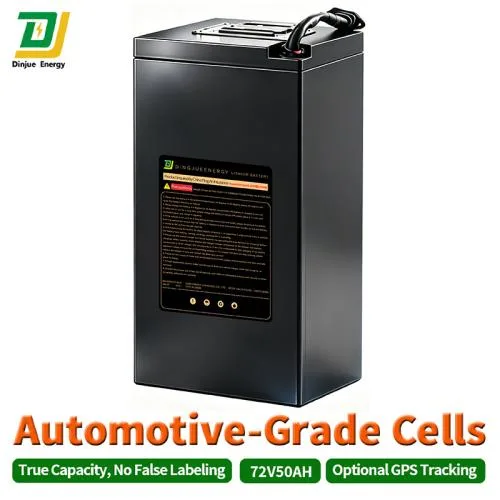
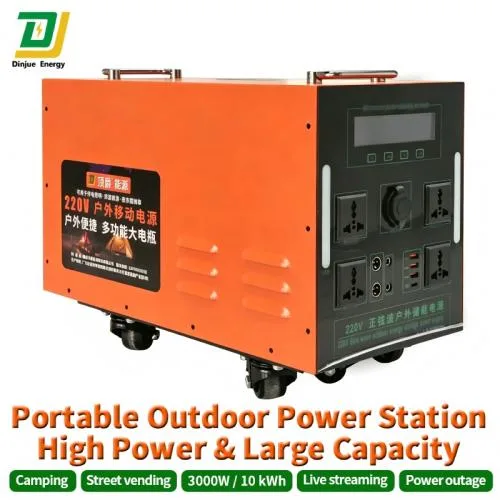
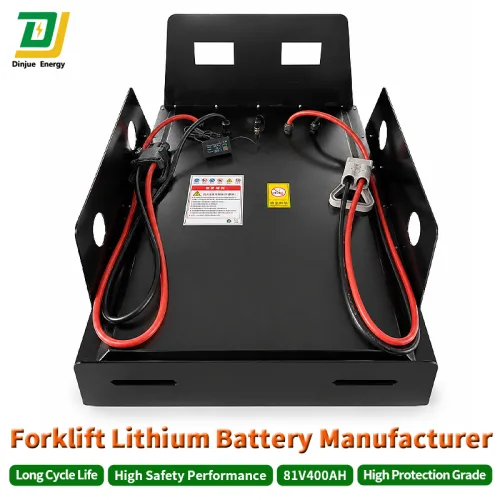
At Dingjue Energy, we supply OEM & ODM LiFePO4 battery packs for RV, marine, e-vehicle and stationary storage. We provide full datasheets, cycle test reports and custom BMS matching for your projects.
👉 Contact our team today to get a custom TCO worksheet and quotation for your bulk battery program.