
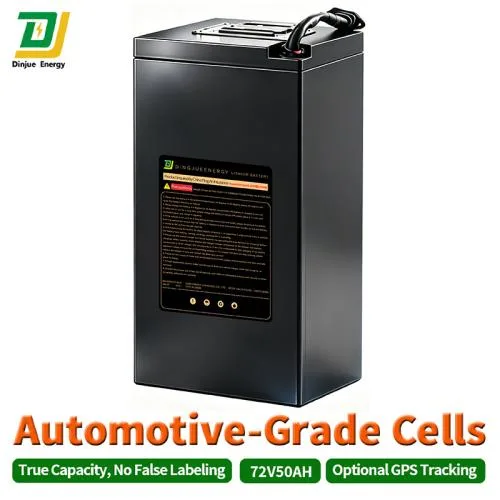
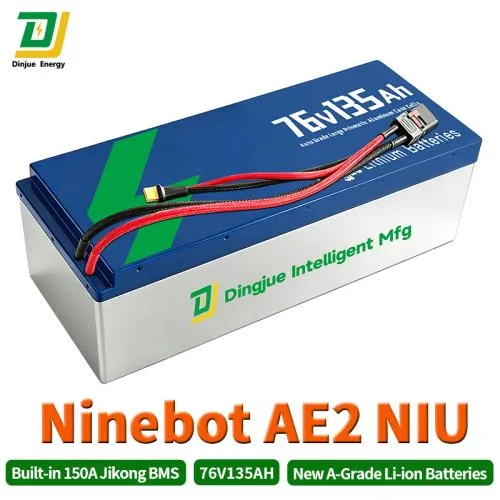
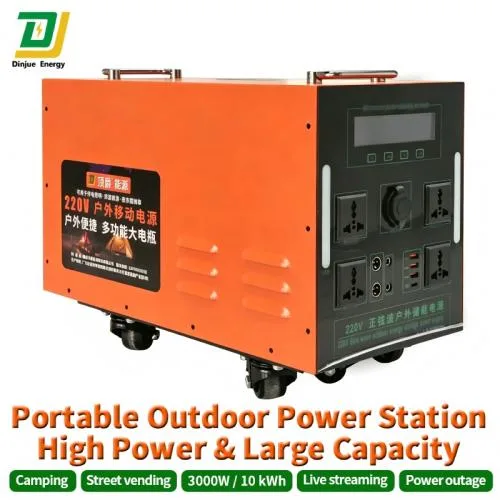
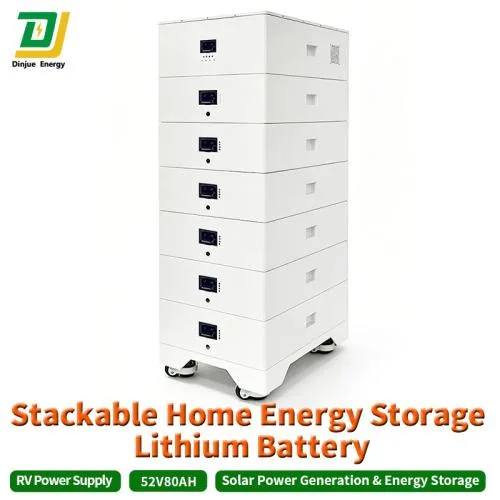
If you are a global distributor stocking energy storage and mobility power solutions, picking the right OEM battery pack partner can make or break your business. A low-quality battery pack may lead to safety recalls, after-sales floods, damaged brand reputation and lost repeat orders. Whether your portfolio includes LiFePO4 BESS for residential and commercial energy storage, RV battery for off-grid camping, or e-scooter battery for urban micro-mobility, this sourcing checklist helps you evaluate suppliers systematically before placing bulk orders.
1. Confirm Core Chemistry & Application Matching
LiFePO4 is now the dominant choice for most long-cycle, safety-focused OEM battery pack projects, thanks to its stable thermal performance, long cycle life and low fire risk. But not all LiFePO4 packs are built the same.
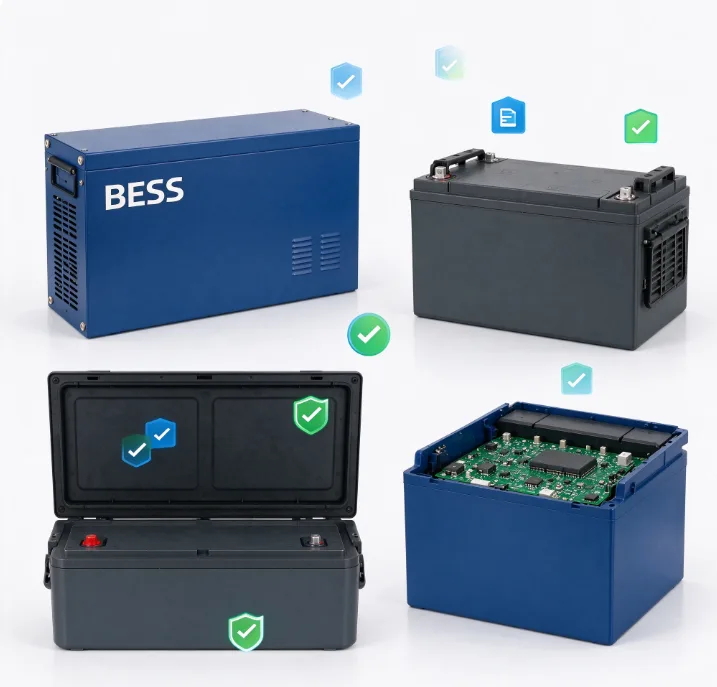
- For BESS: 👉Prioritize packs optimized for continuous charge-discharge cycling, parallel expansion and grid or off-grid integration.
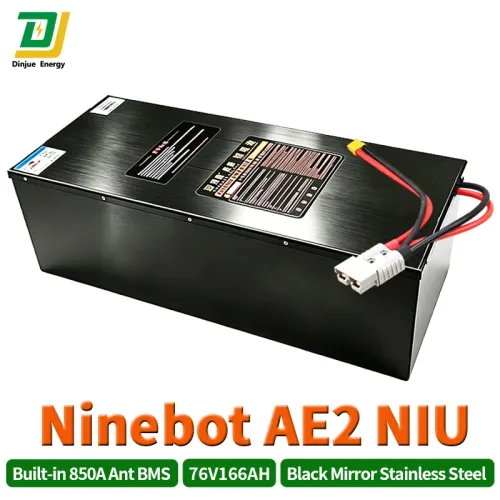
- For RV battery:👉 Look for vibration-resistant, wide-temperature LiFePO4 packs that support deep discharge for off-grid living. [Insert RV battery product link here]
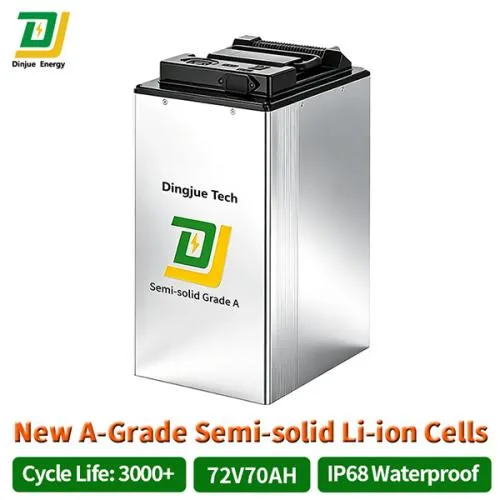
- For e-scooter battery:👉 Focus on compact, lightweight packs with good shock resistance and portable charging design. [Insert e-scooter battery product link here]
Make sure your supplier tunes cell selection, layout and thermal design specifically for your end application, instead of selling a one-size-fits-all battery.
2. Deep Dive into BMS Specifications
The BMS is the brain of every OEM battery pack. Even premium LiFePO4 cells will underperform or become unsafe without a well-engineered BMS. When auditing a supplier:
- Check cell balancing function: passive or active balancing, balancing current and accuracy.
- Verify protection thresholds: overcharge, over-discharge, over-current, short-circuit and temperature protection.
- Confirm communication options: RS485, CAN, Bluetooth or cloud monitoring if your BESS or smart mobility products require it.
- Ask whether the BMS firmware can be customized to match your product requirements.
A flexible, customizable BMS is critical if you plan to private-label your battery products for different regional markets.
3. Certification & Compliance Verification
Global distributors sell into different regions, and regulatory requirements vary widely. Before signing a contract, collect and validate the relevant certificates for your OEM battery pack:
- UN38.3 for safe battery transportation by air, sea and land.
- Local safety standards for BESS, mobility batteries and RV power systems.
- Test reports for cell level, pack level and BMS performance.
Do not accept only self-declared test data. Request third-party lab reports and confirm certificates apply to the exact SKU you plan to purchase. Non-compliant battery packs will be held at customs and stop your entire shipment.
4. Manufacturing & Quality Control Process
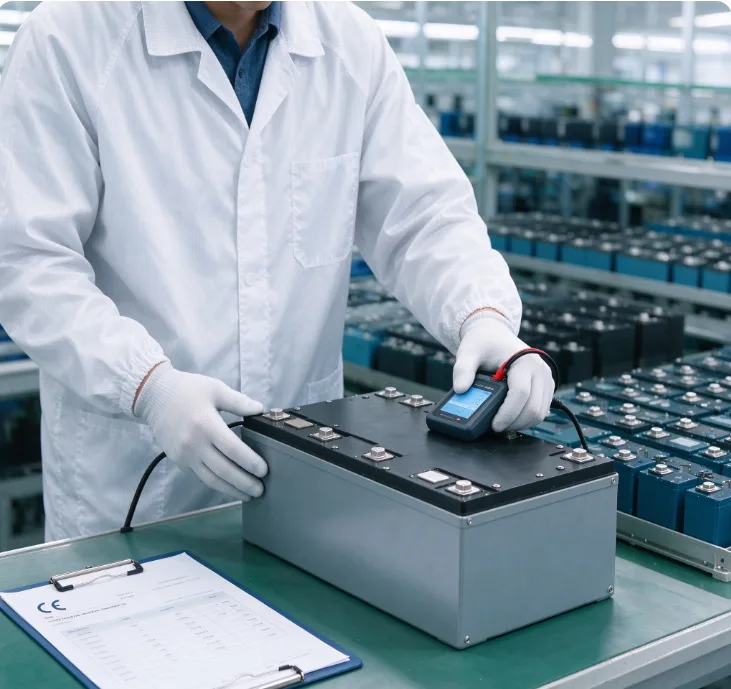
A reliable OEM battery pack supplier should show a standardized production workflow. Key points to inspect:
- Automatic cell sorting to ensure consistent internal resistance and voltage.
- Strict assembly process: laser or spot welding, insulation, potting and housing assembly.
- Aging and full function testing after pack assembly.
- Traceability system: serial number tracking for each LiFePO4 pack for after-sales service.
If possible, arrange a factory audit or ask for a sample test before mass production. Small sample evaluation helps you catch quality gaps early.
5. Customization Capability & Lead Time
As a distributor, you often need differentiated products to beat competitors. Discuss customization options clearly:
- Custom capacity, voltage and dimension of LiFePO4 packs.
- Custom housing, logo, color and packaging for private labeling.
- Adjustable BMS parameters and communication protocol for your BESS, RV battery or e-scooter battery.
Also confirm stable lead time, MOQ and flexible shipment terms. A supplier with unstable delivery schedules will hurt your inventory planning and customer promises.
6. Warranty, After-Sales & Technical Support
Battery products have a long service cycle, so warranty terms matter. Clarify:
- Length of pack warranty and what failures are covered.
- Fault diagnosis support from the supplier’s engineering team.
- Spare parts supply plan for defective BMS or components.
A good OEM partner does not only sell battery packs; they provide technical support for your local sales and after-sales team.
FAQ
Q1: Can the same LiFePO4 OEM battery pack be used for both BESS and e-scooter battery? A: Generally no. BESS packs are designed for stationary cyclic storage, while e-scooter battery needs high peak discharge, vibration resistance and compact size. The BMS and mechanical design are different for each use case.
Q2: What is the most important feature to check on a BMS for custom battery packs? A: Protection logic plus cell balancing accuracy. Poor balancing shortens the whole LiFePO4 pack lifespan, while weak protection creates safety risks for BESS, RV and mobility applications.
Q3: What MOQ should I expect for an OEM battery pack custom project? A: It depends on the supplier and customization level. Standard LiFePO4 packs usually have lower MOQ; fully customized BMS, housing and packaging often require a higher minimum order. It is best to discuss sample order first.
Q4: Are all LiFePO4 battery packs UN38.3 approved for shipping? A: No. Each battery model needs independent testing and certification. Always ask for the UN38.3 report matching the exact OEM battery pack SKU you order.
👉 Contact us for solutions / samples / quotations.